
Best Golf Cart Batteries In 2026: Types, Lifespan & Buying Tips
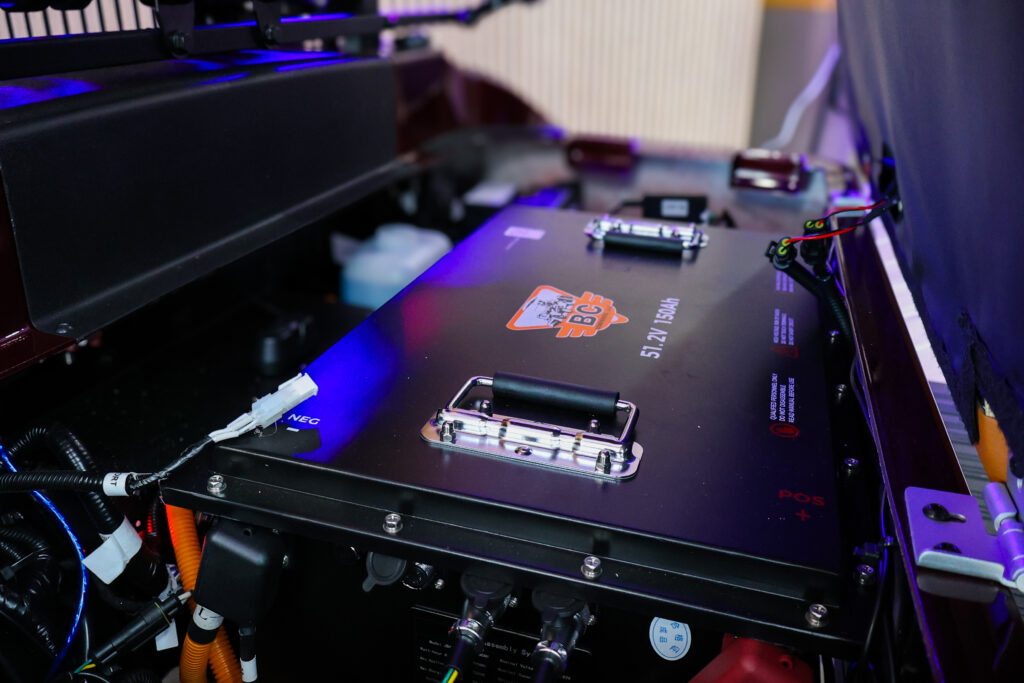
Golf cart batteries can be confusing, especially if your cart starts to slow down or won’t hold a charge, particularly when considering the benefits of lithium options like lifepo4 batteries. Many owners worry about how long golf cart batteries last, which battery type is best, and whether upgrades like lithium golf cart batteries are truly worth it, given the benefits of allied battery options.
These questions make picking the right power source harder for anyone driving an EZGO, Club Car, or any other popular brand.
Here’s something you should know: lithium iron phosphate golf cart batteries now give longer run times and faster charging than older lead acid options, making them a top choice among golf cart batteries. This blog will help you understand all the main types—FLA (flooded lead-acid), AGM, Gel, and Lithium, including the advantages of lithium iron phosphate and their cycle life.
You’ll learn what affects battery lifespan, plus get simple tips to keep your 6V, 8V, or 12V pack running strong, including insights on 48v lithium options for optimal battery performance. Find out how to spot the best golf cart batteries in 2026 without getting lost in technical talk.
Wondering which battery upgrade fits your needs, especially when choosing the best between 36v or 48v options for consistent performance in your new cart? Read on!
Key Takeaways
- Lithium-ion golf cart batteries in 2026 offer faster charging and last up to 8–12 years, outlasting lead-acid types.
- There are four main battery types: Flooded Lead Acid (FLA), Absorbed Glass Mat (AGM), Gel, and Lithium, with traditional lead-acid batteries being the most common among golf cart options. Each battery brand has its own pros and cons.
- Regular maintenance, like checking water levels with distilled water for flooded lead-acid batteries and using the right charger, helps all battery types, including lifepo4 batteries, last longer.
- Brands such as BigBattery and Interstate Batteries provide strong options with features like plug-and-play design or easy-to-read charge indicators, ensuring consistent power delivery.
- Choosing the right voltage (6V, 8V, 12V, or even 48V) depends on your golf cart model—for example, older EZGO carts often need 6V packs to power your golf cart efficiently.
Why Golf Cart Tires Matter
Golf cart tires play a bigger role than most people think. Good golf cart tires touch every part of your ride, from grip on wet fairways to the way your cart handles bumps and turns.
Pick turf tires if you drive mostly on grass. All-terrain options work well for rougher paths or when lifting your cart with lift kits.
Proper traction helps keep you safe, especially during sharp turns or rainy days out at the club. Sidewalls in bias ply options offer strong support, while radial tires give a smoother feel over pavement or gravel lots.
Comfort also matters—a good set can cut down on jolts and shakes. Plus, tubeless designs lower worries about flat spots or slow leaks.
The right tire boosts control, comfort, and even saves money by protecting both turf and wheels.
Check pressure levels regularly; it will help them last longer and save cash at bank—no one loves surprise fees! Choosing wisely means more fun miles out of every round or errand run around the block.
What Makes a Good Golf Cart Battery
A good golf cart battery, especially a 48v lithium model, has strong power and long life, making it ideal for a full round of golf. It should support your driving needs, whether you use 6v, 8v, or 12v batteries, or even consider the benefits of a 48v system for consistent power. High performance is key, especially when considering the environmental sustainability of your battery choice. Look for deep cycle capabilities in lead-acid, AGM, gel, or lithium types.
Each type has its pros and cons, especially when comparing flooded lead-acid batteries to newer lithium technologies like lithium ion and golf cart lithium batteries.
For example, lithium batteries are light and charge quickly but may cost more upfront. Lead-acid batteries are cheaper but need regular maintenance due to their chemical reaction, while absorbent glass mat batteries offer a maintenance-free alternative. Evaluate what suits your usage best for optimal results!
Key performance factors to consider
Battery capacity takes center stage, particularly when comparing volt ratings among different battery types to assess overall battery performance. Higher amp-hour ratings let golf cars travel longer between charges, especially when equipped with new batteries that can fully charge quickly. For example, PowerFast Golf Cart Batteries deliver extra reserve capacity, making them fit for busy courses or long days at the park.
Weight matters too. Lithium-ion batteries weigh much less than lead acid golf cart batteries and boost performance on hills or rough terrain.
Charging time is critical, especially for fleet managers and daily users. Modern lithium iron phosphate options charge in a fraction of the time compared to traditional flooded lead-acid styles.
Safety features like a Battery Management System add protection by monitoring cell health and amperage – BigBattery models offer these plus an easy-to-read LED charge indicator. Versatility is important as well; 6v golf cart batteries work best for older EZGO carts, while newer fleets may prefer 8v or 12v setups depending on voltage needs, including 48v configurations.
“Upgrading to lithium technology gives you more miles per charge—and cuts charging times—so your day runs smoother.”
Battery Types (FLA, AGM, Gel, Lithium)
There are four main types of golf cart batteries: Flooded Lead Acid (FLA), Absorbed Glass Mat (AGM), Gel, and Lithium. Each type has its own strengths, especially when considering how golf carts operate with different battery technologies. FLA batteries are common and cost-effective but require maintenance, while lithium ion batteries can provide a more convenient option.
AGM batteries last longer and need less upkeep. Gel batteries resist spills and work well in cold weather but can be more expensive. Lithium batteries weigh less, charge faster, and often have a longer lifespan, making them a popular choice for many owners.
Keep reading to find out which new batteries, including top golf cart options, might suit your needs best!
Overview of common battery types
Flooded Lead-Acid (FLA) batteries are a classic choice for golf carts. They use water and need regular maintenance, like topping off with distilled water. FLA batteries often come in 6V, 8V, or 12V options and suit many Club Car and EZGO models.
Owners choose them for lower upfront costs, but these batteries offer frequent checks to avoid damage.
Absorbed Glass Mat (AGM) and Gel batteries both skip the need for watering, making them some of the best batteries on the market. AGM offers better vibration resistance and works well for carts used daily or on rough ground. Gel types feel right at home in climates where strong shocks could harm other types, providing consistent performance in extreme conditions, unlike traditional lead-acid batteries in golf carts.
Both last longer than basic lead-acid choices if cared for properly.
Lithium-ion golf cart batteries have become popular since they offer a lifespan of up to 8-12 years—much longer than traditional styles. Brands such as BigBattery make plug-and-play LiFePO4 units that weigh less yet deliver more power using all their rated capacity without slowing down mid-round.
Lithium can recharge up to three times faster than standard choices; golf cart owners find them worth the higher price tag thanks to savings on maintenance over time.
For those running fleets or demanding extended runtime, Extreme Cycle Golf Cart Batteries give top reserve capacity along with long cycle life—they serve commercial operators well and are often lighter than lead-acid batteries.
M-Line models fit residential settings needing value with low upkeep, while PowerFast covers busy users seeking reliable performance without spending extra money each month, making them ideal for golf course use.
Golf cart battery cost depends on type—lithium is pricier upfront but pays off across its lifespan due to minimal care needs and consistent output even under heavy loads or colder days when cold cranking amps matter most during early-morning tee times.
Battery Lifespan & Maintenance Tips
Golf cart batteries can last a long time with the right care, especially if you choose lifepo4 batteries, which are known for being lighter than lead-acid batteries. Regular maintenance helps both lithium and flooded lead-acid batteries perform better and live longer.
Keep your batteries clean and check their water levels often to ensure a full charge, especially for lead-acid batteries in golf carts. Use distilled water to refill if needed—this will keep lead-acid batteries typically healthy. Proper charging is also key; don’t overcharge or let traditional lead-acid batteries run too low, as this shortens lifespan significantly.
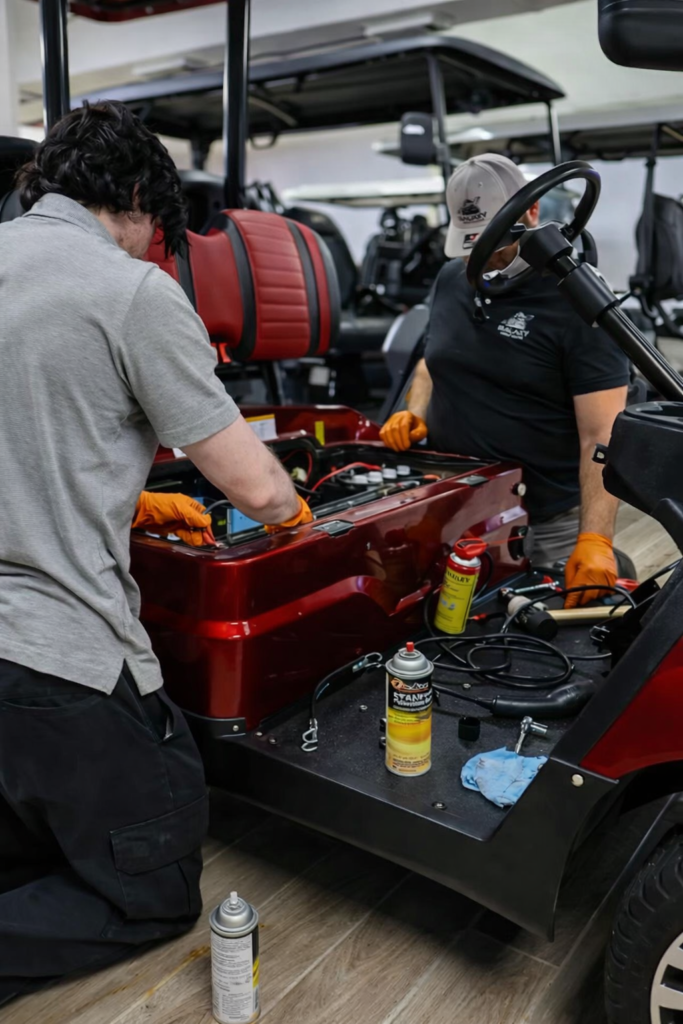
Tips to extend battery life and ensure optimal performance
Keeping your golf cart battery in top shape ensures a longer lifespan and better performance. Regular maintenance and proper charging are key. Here’s how to do it:
- Always use a compatible charger for your 8v or 12v golf cart batteries to ensure a quick charge and optimal performance. Matching the charger with your battery type prevents damage and helps maintain consistent performance for your electric golf cart.
- Recharge batteries after each use, which avoids deep discharge and extends the life of your flooded lead-acid batteries.
- Do not overcharge the lead-acid batteries typically used in golf carts. Overcharging can lead to water loss and damage.
- Check water levels regularly if you have FLA (Flooded Lead Acid) batteries. Keep water 1/4 to 1/2 inch above the plates, but only refill with distilled water after charging to maintain the battery’s cycle life.
- Keep the terminals clean to prevent corrosion in both lithium and traditional lead-acid batteries. Use a mix of baking soda and water for cleaning any buildup.
- Inspect batteries often for cracks, leaks, or any signs of wear and corrosion.
- Use a multimeter to check if your battery is healthy; a good battery shows about 12.6V or more.
Following these steps can help ensure that whether you have AGM, gel, lithium, or FLA golf cart batteries, they will last longer and perform at their best. Keeping up with regular checks and maintenance minimizes the need for early replacements and saves money in the long run, especially when considering installing lithium batteries for better efficiency.
Conclusion
Selecting the right single battery for your golf cart is crucial to its performance. We discussed types like lithium, AGM, and gel, emphasizing their benefits and how they compare to traditional lead-acid batteries. Proper maintenance can extend any battery’s lifespan, particularly for traditional lead-acid batteries, but using lithium ion options can result in longer than lead-acid batteries.
Regular checks on water levels and using a good charger are simple steps that yield positive results, ensuring your batteries need less frequent replacements. Upgrading to a lithium battery can enhance your cart’s efficiency significantly.
Consider options from brands like Interstate Batteries or BigBattery for reliable choices, particularly their offerings in eco batteries. Investing in a quality golf cart battery is smart; it leads to better rides on the course or around your neighborhood while ensuring maintenance-free operation.
Take control of your golfing experience on the golf course today!
FAQs
1. What are the main golf cart battery types in 2026?
Lead-acid batteries and lithium-ion (li-ion) batteries, including lithium iron phosphate options, remain popular choices for golf carts. Many golf cart owners still use traditional lead-acid batteries, like 8V golf cart batteries, but more people now upgrade to li-ion options for better performance.
2. How long do golf cart batteries last with proper maintenance?
Golf cart battery lifespan depends on type and care. Lead-acid models can last four to six years with regular maintenance, while lithium versions often reach eight to ten years or longer if you follow good charging habits and keep up with routine checks.
3. Are lithium golf cart batteries worth it compared to lead-acid brands like Trojan?
Lithium units cost more upfront than most lead-acid brands such as Trojan, but they offer lighter weight, faster charging times, less frequent maintenance needs, and a much longer service life. For many golf cart owners seeking upgrades or lower long-term costs, li-ion batteries offer a practical solution due to their advanced battery technology.
4. What is the best battery for EZGO or Club Car carts right now?
Both EZGO and Club Car work well with several top-rated options; check your model’s requirements first. Many experts recommend quality deep-cycle lead-acid sets from trusted names or switching to advanced li-ion packs with a built-in BMS for improved power delivery and reliability.
5. What should I look out for when buying new chargers or upgrading my golf cart battery system?
Focus on compatibility between charger voltage and your chosen battery type, lead-acid versus li-ion have different needs, and always match charger specs with your specific set-up whether using 8v units or newer lithium packs. Reliable pricing research helps avoid overpaying while ensuring you get safe gear that will not damage your investment during regular use or storage periods, especially when dealing with eco batteries.