
Lithium vs. Lead Acid Golf Cart Batteries — Why Lithium Wins Every Time in 2026
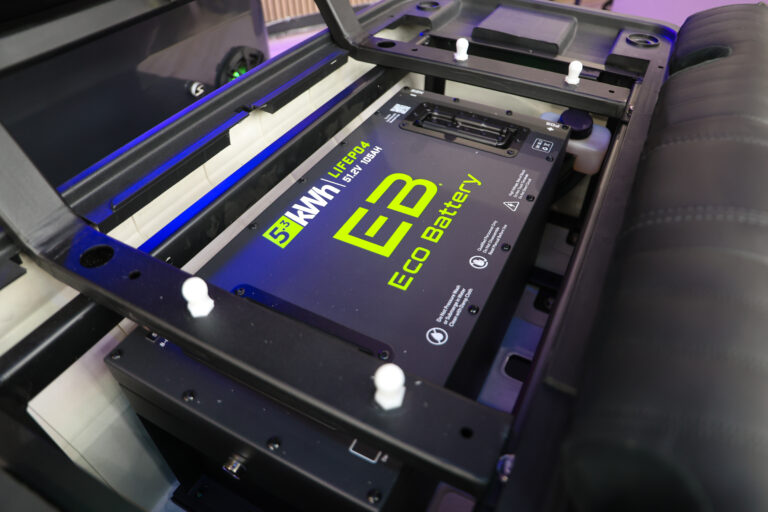
Let’s be straight with you: this comparison was genuinely close ten years ago. Today it isn’t. Lithium batteries have lapped lead acid in almost every meaningful category — lifespan, performance, charging speed, maintenance, and long-term cost. In 2026, choosing lead acid over lithium isn’t being budget-savvy. It’s deferring an expense while accepting an inferior product every single day. Here’s the full breakdown — every number backed by data.
Lifespan — There Is No Comparison
This is where the conversation starts and honestly, for many buyers, where it ends. Lithium batteries can cycle up to 10 times longer than lead-acid batteries. While lead-acid batteries last around 300 to 500 charge cycles, lithium batteries can endure upwards of 2,000 charge cycles — with specific types of lithium batteries consistently reaching over 3,500 cycles. This is where the conversation starts and honestly, for many buyers, where it ends. Lithium batteries can cycle up to 10 times longer than lead-acid batteries. While lead-acid batteries last around 300 to 500 charge cycles, lithium batteries can endure upwards of 2,000 charge cycles — with specific types of lithium batteries consistently reaching over 3,500 cycles. FeedSpot
Lithium batteries last up to 5,000 cycles, compared to 500 to 1,000 cycles for lead acid — meaning you have to replace lead-acid batteries much more often than lithium. Fast Hippo Media
Put that in plain years: lithium batteries last 5 to 10 years, while lead-acid batteries last 2 to 5 years. Golfcartlifestyles
A lithium battery you buy today may still be running strong when a lead-acid battery purchased at the same time has already been replaced twice. That replacement math is critical to understanding the true cost of each option.
Charging — Lead Acid Will Make You Wait
This is one of the most underrated quality-of-life differences between the two technologies. Lithium-ion batteries charge in just 1 to 3 hours, while lead-acid batteries require up to 14 hours. Fast Hippo Media
Read that again. Fourteen hours. If you run your lead-acid cart down in the afternoon and forget to plug it in, you may not have a usable cart until the following evening. With lithium, a short charge window in the afternoon gets you back out the same day. There’s another problem with lead acid charging that most buyers don’t find out until after purchase: partially-charged lead-acid batteries sustain sulfation damage, which results in significantly reduced battery life. Wickedly Awesome
If you regularly charge your cart before it’s fully depleted — which most people do — you’re actively shortening your lead-acid battery’s lifespan every time. Lithium batteries have no such vulnerability. Charge them whenever it’s convenient. They don’t care.
Performance — Consistent vs. Fading
Here’s something that matters enormously on the road but rarely gets talked about in the spec sheet: how your cart actually feels as the battery drains. Lithium-ion batteries deliver consistent power throughout their discharge cycle — your golf cart maintains steady speed and performance even as the battery charge decreases. Lead-acid batteries experience a drop in voltage as they discharge, which can lead to sluggish performance and reduced efficiency, especially during longer rides. Fast Hippo Media
Lead acid and AGM batteries lose voltage output and performance after 70 to 75 percent of the rated battery capacity is used, which negatively affects carrying capacity and compounds the issue as the day wears on. Wickedly Awesome
That means with lead acid, you’re driving a noticeably different cart at the end of the day than you were at the beginning. With lithium, the cart performs the same from the first mile to the last.
Weight — Lighter is Better in Every Way
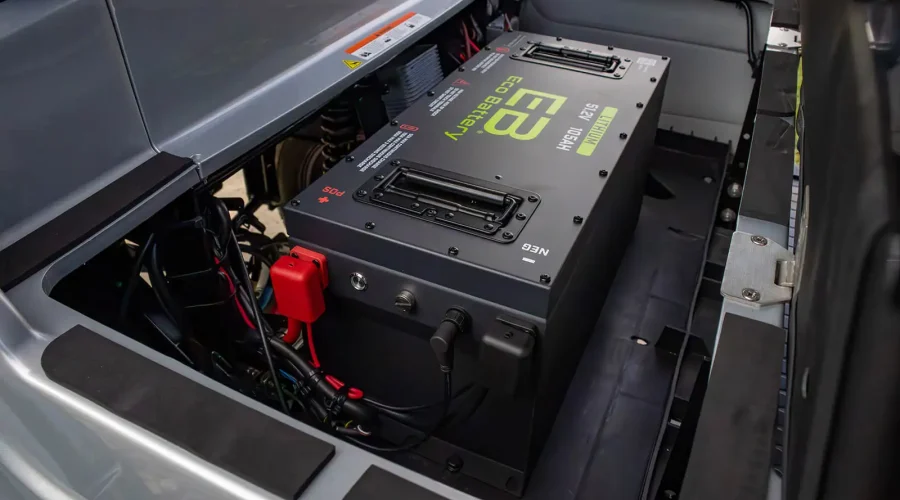
Lithium golf cart batteries are half the size of a traditional lead-acid battery, which shaves off two-thirds of the battery weight a golf cart would normally operate with. Wickedly Awesome That weight reduction isn’t just about handling — it has a direct impact on range, efficiency, and even the long-term wear on your cart’s tires and suspension. The lighter weight of lithium batteries reduces the overall load on the cart and improves handling — and the reduced weight stress can actually lengthen the vehicle’s overall service life. WebFX
The lighter weight means the golf cart can reach higher speeds with less effort and carry more weight without feeling sluggish to the occupants — the weight-to-performance ratio difference lets the lithium-powered cart carry an additional two average-sized adults and their equipment before reaching carrying capacity. Wickedly Awesome
Maintenance — Or Lack Thereof
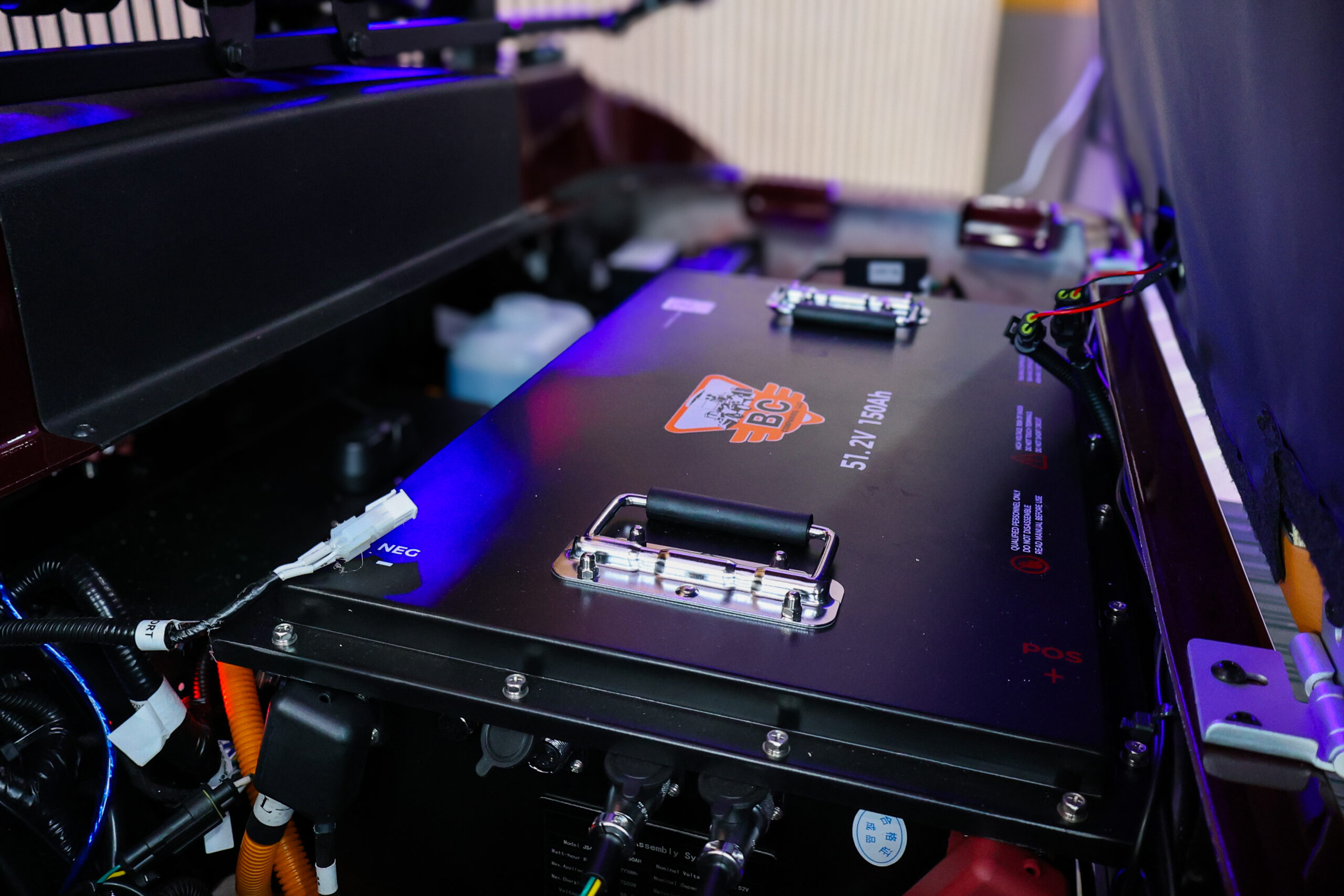
This one is simple. Lithium batteries require essentially zero ongoing maintenance. Lead-acid batteries demand regular upkeep, including adding water to cells and cleaning terminals to prevent corrosion. Lithium-ion batteries are virtually maintenance-free — you won’t need to worry about watering or cleaning, which saves you time and effort. Fast Hippo Media For most North Texas cart owners, the idea of regularly checking water levels and cleaning corroded terminals is somewhere between inconvenient and genuinely unpleasant. With lithium, you plug it in and go. That’s it.
The Real Cost Over Time — Where Lead Acid Loses the Budget Argument
The most common objection to lithium is upfront cost — and it’s a fair point. A lithium-ion golf cart battery pack can cost double or triple the price of lead-acid upfront. Divot Collective
But here’s where the math turns against lead acid decisively: when factoring energy efficiency, replacement intervals, and labor, lithium batteries usually deliver a lower total cost of ownership over a five to eight-year horizon. An average set of lead-acid batteries may require replacement two or three times in the lifespan of a single lithium pack — and the long-term return on investment for lithium often exceeds 25 to 30 percent. Divot Collective
Lithium-ion batteries also boast 99% charge efficiency, ensuring almost all the energy goes directly into powering your cart. Lead-acid batteries have an efficiency range of 20 to 60%, which results in wasted energy and higher electricity costs. Fast Hippo Media
You’re paying more to charge a less efficient battery, replacing it more frequently, spending time on maintenance, and accepting worse performance throughout. The upfront savings on lead acid evaporate quickly — and the gap widens every year.
If You Already Have Lead Acid — Upgrading is Straightforward
If you currently own a lead-acid cart and want to make the switch, the process is more accessible than most people expect.
The overall cost for converting a golf cart to lithium batteries typically ranges between $1,700 and $4,500 depending on the battery capacity and setup. Golfcartlifestyles
For most owners, that investment pays for itself in avoided replacement costs and reduced charging bills within a few years — while delivering a noticeably better cart from day one. Many lithium battery systems are designed as direct replacements that respect the existing electrical architecture of most electric carts — the plug-and-play design means downtime is minimal. WebFX
When is Lead Acid Acceptable in 2026?
Honestly? It’s a short list.
If you’re buying a cart for very occasional use, are on an extremely tight budget with no flexibility, and plan to do the regular maintenance yourself — lead acid can technically still function. Lead acid can still work if you go in with eyes open: you’ll need routine care, smart charging habits, and realistic expectations about performance changes as the pack ages. Agency Replacement
But for the vast majority of buyers in North Texas — families using their cart regularly, neighborhood commuters, golf course riders, daily drivers — lead acid in 2026 is a compromise that costs you more than it saves within a few years of ownership. Buy lithium. The data is clear.
The Bottom Line
The lithium vs. lead acid debate is effectively settled in 2026. Longer lifespan, faster charging, consistent performance, zero maintenance, and better long-term economics all point in the same direction. Lead acid had its era — and that era is over for most buyers.
All of the carts at Galaxy Golf Cars in Plano come equipped with modern lithium systems — because after years of putting carts in North Texas driveways, they’ve seen firsthand what happens when buyers go the other direction. If you want to see what a properly built lithium cart actually feels like in person, their showroom on North Central Expressway is worth the visit.